I recently asked if it was worth pulling an all-nighter. I looked at the academic side of things, so here’s an infographic to give you the lowdown on the health issues associated with all-nighters like this (link to full size image is below).
With so many attempts at the overnight essay, is it time for a rethink?
Maxine Agyemang got in touch with me to say that she’s put together a load of tips on applying to uni, getting to know uni, studying, and making the most of your student life.
As a Fresher, Maxine has only just got to experience this herself, so these tips are fresh in her mind.
What’s university like really? “It’s pretty damn normal”, says Maxine. She doesn’t mean it’s not awesome, but the initial fun will quickly move away as you settle in.
And that’s fine. If you’re happy with things, the sense of ‘normal’ may not be normal to anyone but yourself, but it’s a sign that you’re comfortable with where you are.
So be comfortable, just don’t sit in your comfort zone. They’re different things. The solution? Strive to do amazing things comfortably!
Maxine says that she wanted to make the video she wishes she had before she started at university. It would have helped her feel less stressed for a start. Maxine says, “If you’re a Fresher…Calm it! They’re expecting you to get things wrong“.
They really are. Tutors, staff, everyone involved knows you’ve got a lot to get used to and a lot to learn when you first step foot on campus. Three years (or more) is a long time. If you think you’ve got it sussed from day one, you’re either missing out on sooooo much, or you’re doing something wrong!
So grab a drink and — if you’re anything like me — lots of snacks, and watch Maxine share with you what’s worked for her in her first few months at university.
If you need any further explanation that university can help you experience all sorts of things beyond your degree study, a University of Glamorgan student gives a bit more perspective in a list.
Aisling is currently in her second year, studying Drama at Glamorgan
First on the list, Aisling now knows how to make ‘a wicked chilli-con-carne’. Her list is clearly not limited to academic learning.
Finding good deals, designing and painting, presenting videos, harmonising in a choir, effective reading of academic journals, and smiling more… the list covers all sorts. I’m sure it is just the tip of the iceberg, since Aisling calls her list a ‘selection’. And given she’s only in her second year, there will be many more learning opportunities to come.
That’s how it should be. A wealth of new discoveries is a big part of why you’re at uni. It’s hard to work out a true value to higher education because it’s an individual thing and it’s not entirely visible without hindsight. However, a simple list like Aisling has produced can help uncover the diversity of what’s available.
If you could list the things you’ve learned at uni, what things have (so far) been most valuable to you?
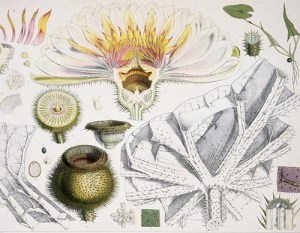
Back in early 2008, I wrote a short piece about science and art. I said they should just get along.
photo by MuseumWales
The post still gets a lot of traffic from people searching ‘science vs art’ in search engines. The debate is clearly on a lot of people’s minds.
I was being light-hearted, but I still meant it. Science and art are not opposites or adversaries. Nevertheless, the two are separated as if there is a need to stay apart much of the time.
“seems like science and art were pretty much the same thing for thousands of years until the industrial revolution and the enlightenment separated them . i feel the 21st century is going to be the one where not only they can unite again but they have to …”
What might the future hold? Have needs changed? Will science and art get along better in coming years due to necessity?


 TheUniversityBlog